A wider sleeping pad can make camping noticeably more comfortable by giving you extra room to turn, reducing edge roll-off, and creating a more bed-like sleep surface. The trade-off is usually added packed size and weight.
We selected 10 wide sleeping pads spanning insulated air pads, self-inflating mattresses, memory foam designs, double sleeping pads, and extra-large cot options. Use the comparison and buying advice below to match dimensions, warmth, portability, and inflation style to your trips.
Best 10 Wide Sleeping Pads Picks for 2026
Top Double-Wide Comfort Pick

- Spacious 40-by-72-inch double-wide design
- R-value up to 4.8 for three-season warmth
- Quilted 3.5-inch surface with included Pumphouse
Best For: Couples wanting cushioned, insulated tent comfort
Best Cot Upgrade

- 38-inch-wide foam surface for cots or ground use
- Removable canvas cover is easy to clean
- Roll-up straps and compression buckles aid storage
Best For: Car campers seeking thick, bed-like cot comfort
Best Lightweight Insulated Pad
Naturehike Ultralight Insulated 4.6R

- 4.6 R-value with eight-layer aluminum insulation
- 25.2-inch width and 3.2-inch thickness
- About 1.7 pounds with included accessories
Best For: Solo backpackers wanting warmth and moderate extra width
Best Foam Comfort
CYMULA Memory Foam Camping Mattress

- Memory foam cushions the body and uneven ground
- Waterproof, non-slip bottom for tents and vehicles
- Multiple sizes, storage bag, and packing straps included
Best For: Car camping, sleepovers, and temporary guest bedding
Best Extra-Wide Inflatable
Aonhom 32.7-Inch Camping Sleeping Pad
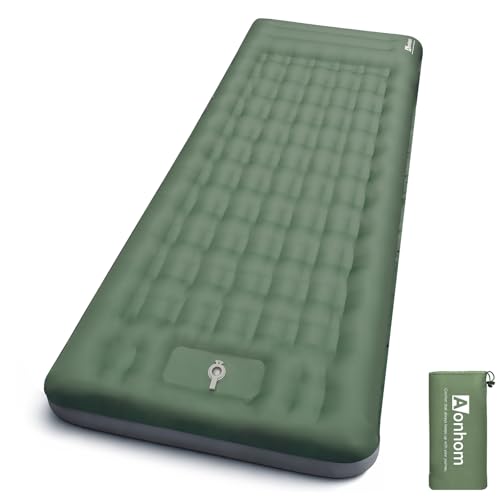
- Generous 32.7-inch width and 6-inch thickness
- Built-in foot pump inflates it in 60–120 seconds
- Connects to a second pad for a wider bed
Best For: Spacious tent camping, road trips, and outdoor lounging
Best Insulated Self-Inflating Pad
Hikenture 4-Inch Camping Mattress

- 4-inch foam-and-air design cushions pressure points
- High 9.5 R-value helps insulate against cold ground
- Dual-mode valve and pump sack enable firmness adjustment
Best For: Cold-weather camping and comfort-focused car or tent camping
Best Ultralight Comfort

- 4-inch cushion with V-shaped side-sleeper support
- Built-in foot pump and pillow
- 1.9-pound packable design
Best For: Lightweight backpacking and side sleepers
Best Extra-Wide Design

- 29.9-inch width and 4.9-inch thickness
- Integrated neck-support pillow
- 2.32-pound pack weight with built-in pump
Best For: Larger adults wanting a roomy backpacking pad
Top Double-Wide Comfort Pick – Big Agnes Rapide SL
For campers seeking wide sleeping pads with a stable, cushioned feel, the Big Agnes Rapide SL Double Wide provides a spacious 40-by-72-inch surface for two. Its insulated construction, thick profile, and included inflation sack make it a practical choice for three-season camping.
Best For: Couples and campers who prioritize plush comfort, insulation, and a roomy shared sleeping surface.
Pros:
- Double-wide 40-by-72-inch size accommodates two sleepers.
- Two layers of heat-reflective film provide an R-value up to 4.8.
- Quilted 3.5-inch surface and larger outer chambers improve cushioning and stability.
- Includes a Pumphouse inflation sack, storage sack, and repair kit.
Cons:
- At 2.3 pounds, it is heavier than many solo backpacking pads.
- The double-wide format takes more packed space than a single pad.
- It is not water resistant.
The Rapide SL is a strong wide sleeping pad option when comfort and warmth matter more than minimizing weight. Its double-wide design suits tent camping and couples, while the insulation supports three-season use.
Best Cot Upgrade – Teton Outfitter XXL Camp Pad
The Teton Outfitter XXL Camp Pad is a wide sleeping pad designed for comfort-focused camping rather than ultralight travel. Its 38-inch width, open-cell foam, and canvas cover can turn a cot into a more bed-like sleeping setup.
Best For: Car campers and cot users who want thick foam cushioning and easy-care materials.
Pros:
- Wide 38-inch surface fits the Teton Outfitter Cot and works on the ground.
- Open-cell foam provides consistent cushioning and support.
- Canvas shell removes for cleaning, and the pad is machine washable.
- Roll-up straps and compression buckles simplify storage.
Cons:
- Its listed 9-pound weight is substantial for transport.
- Foam construction is less compact than an inflatable pad.
- The supplied specifications list a 2-inch thickness, despite the product title describing it as extra thick.
This pad makes the most sense for vehicle-based camping, guest use, or a dedicated cot setup. It offers home-like foam comfort, but its weight and rolled size are less suitable for backpacking.
Best Lightweight Insulated Pad – Naturehike Ultralight Insulated 4.6R
For backpackers comparing wide sleeping pads without giving up insulation, the Naturehike Ultralight Insulated Sleeping Pad offers a 25.2-inch width, 3.2-inch thickness, and a 4.6 R-value. It packs down small and includes an inflatable bag for easier camp setup.
Best For: Solo hikers and backpackers who want a relatively roomy, insulated pad with low carry weight.
Pros:
- Weighs about 1.7 pounds including the storage bag and accessories.
- 4.6 R-value and eight-layer aluminum insulation help reduce heat loss.
- 3.2-inch thickness and a pressure-distributing structure support comfortable sleeping.
- Includes an inflatable bag, straps, and TPU repair allowance.
Cons:
- At 25.2 inches wide, it is roomier than standard narrow pads but not double-wide.
- Requires careful inflation; the instructions warn against over-inflating.
- The aluminum insulation may not suit campers who prefer the quietest possible pad.
The Naturehike is a well-balanced choice for solo trips where insulation, packability, and a little extra width all matter. Its 4.6 R-value is useful for colder conditions, while the 1.7-pound weight keeps it practical for backpacking.
Best Extra-Thick Double Pad – Yuzonc CP2 Double Sleeping Pad
The Yuzonc CP2 is a wide sleeping pad built for two people, measuring about 79.8 by 53.5 inches and inflating to 4 inches thick. Built-in pillows and a foot pump make it convenient for tent camping, travel, and family outings.
Best For: Couples or families who want a very spacious, plush air pad with integrated pillows.
Pros:
- Large double sleeping surface accommodates two people.
- Four-inch thickness helps keep sleepers from contacting the ground.
- Built-in foot pump inflates the pad in about 1–3 minutes.
- Integrated pillows and a 770-pound stated weight capacity add convenience.
Cons:
- At 3 pounds, it is heavier than many solo inflatable pads.
- The wide two-person format is bulky compared with individual backpacking pads.
- It is listed as not water resistant and must be wiped clean rather than machine washed.
The CP2 favors space and comfort over minimalist packing. Its built-in pump and pillows reduce the amount of extra gear needed, making it especially convenient for couples, families, and car-based camping.
Best Foam Comfort – CYMULA Memory Foam Camping Mattress
For shoppers comparing wide sleeping pads, this 3-inch CYMULA foam mattress is a comfortable option for car camping, sleepovers, and temporary guest bedding. Its 72-by-24-inch single size is narrower than some inflatable alternatives, but the memory foam construction provides a familiar mattress-like feel.
Best For: Car campers, sleepovers, guests, and anyone who prefers a non-inflatable foam mattress.
Pros:
- High-density memory foam adapts to the body and cushions uneven surfaces.
- OEKO-TEX certified materials and a fiberglass-free flame-retardant layer add peace of mind.
- Waterproof, non-slip bottom helps keep the mattress stable on varied tent or vehicle surfaces.
- Includes a storage bag and packing straps, with multiple size options available.
Cons:
- At 7.5 pounds, it is less suited to backpacking than lightweight inflatable pads.
- The supplied single size is 24 inches wide, so it may not meet the needs of shoppers seeking a truly wide sleeping pad.
- It may require 24–72 hours to fully rebound after vacuum packaging.
The CYMULA is best viewed as a portable foam bed rather than a minimalist trail pad. Its waterproof underside, soft cover, and available larger sizes make it practical for vehicle-based camping and indoor backup use.
Best Extra-Wide Inflatable – Aonhom 32.7-Inch Camping Sleeping Pad
This Aonhom is the standout choice among these wide sleeping pads if your priority is maximum sleeping space. Measuring about 77 by 32.7 inches and 6 inches thick, it creates a plush, elevated surface while remaining relatively light at 2.4 pounds.
Best For: Campers who want a spacious inflatable pad for tent camping, road trips, and outdoor lounging.
Pros:
- Extra-wide 32.7-inch sleeping surface gives larger sleepers more room to move.
- Six-inch thickness helps separate the body from cold, hard, or uneven ground.
- Built-in foot pump inflates the pad in approximately 60–120 seconds without mouth inflation.
- Side buttons allow two pads to connect into a larger sleeping surface.
Cons:
- Its 32.7-inch width takes up more tent floor space than a standard sleeping pad.
- Inflatable construction requires setup and careful handling to maintain air retention.
- The extra-wide design may be less convenient for tight backpacking shelters.
Choose the Aonhom when width and cushioning matter more than compact floor space. The integrated pump, waterproof materials, and linking buttons make it especially versatile for comfortable campsite or road-trip use.
Best Insulated Self-Inflating Pad – Hikenture 4-Inch Camping Mattress
For shoppers considering wide sleeping pads with strong insulation, the Hikenture combines 4 inches of foam and air with a high 9.5 R-value. Its 80-by-28-inch single profile offers more length and width than a narrow backpacking mat while remaining suitable for tents, cars, cots, and trucks.
Best For: Three-season and winter campers who want cushioned, adjustable support and insulation from cold ground.
Pros:
- Four-inch foam-and-air construction cushions pressure points and supports a home-like sleep feel.
- R-value of 9.5 provides substantial insulation against cold and damp ground.
- Dual-mode valve and included pump sack support self-inflation, deflation, and firmness adjustment.
- Stretch-knit surface is designed for quieter movement, and the pad includes a carry bag and repair patch.
Cons:
- At 4.6 pounds, it is heavier than minimalist backpacking pads.
- At 28 inches wide, it is roomy but not as wide as the Aonhom option.
- Self-inflation still requires time and may need pump-sack adjustment for preferred firmness.
The Hikenture is a strong fit when insulation and sleep comfort are higher priorities than ultralight packing. Its adjustable foam-and-air design works well for campers who want a quieter, more mattress-like pad across multiple seasons.
Best Ultralight Comfort – 4-Inch Camping Sleeping Pad
For shoppers comparing wide sleeping pads, this 79-by-27.5-inch model combines a 4-inch air cushion with a built-in pillow and foot pump. Its wide rectangular surface is particularly suited to side sleepers who want more room and separation from uneven ground without carrying a bulky mattress.
Best For: Backpackers, side sleepers, and campers wanting a lightweight pad with quick inflation and an integrated pillow.
Pros:
- 4-inch thickness and V-shaped support help reduce contact with hard ground.
- Built-in foot pump inflates the pad in about 30 seconds, according to the supplied specifications.
- At 1.9 pounds, it packs to approximately water-bottle size and supports up to 400 pounds.
- 40D nylon construction and a water-resistant surface suit varied outdoor terrain.
Cons:
- The 27.5-inch width is roomy but not as wide as the TREKOLOGY option in this roundup.
- The supplied details do not state an R-value, so cold-weather insulation is less clearly specified.
This is a practical choice when low packed weight, fast setup, and side-sleeping comfort matter most. The linking design also allows multiple pads to be joined for couples or families.
Best Cold-Weather Insulation – Memory Foam Camping Sleeping Pad
This memory foam model stands out among wide sleeping pads for its high insulation rating and supportive foam construction. It uses a blend of high-density and high-resilience foam, folds for transport, and combines self-expansion with a foot pump for a fuller setup.
Best For: Campers prioritizing insulation, pressure-point relief, and a supportive pad for three-season or colder conditions.
Pros:
- R-value of 9.5 provides a clearly stated high level of insulation.
- Memory foam and support foam are designed to distribute weight and reduce pressure points.
- Supports up to 800 pounds and uses a quiet, skin-friendly 50D stretch-knit surface with TPU coating.
- Folds to about 12.5 by 8.5 inches and uses a self-expanding design plus foot pump.
Cons:
- At 3.85 pounds, it is substantially heavier than the other two pads in this roundup.
- The supplied notes do not provide the fully inflated length and width.
- Completing inflation involves opening valves and using the foot pump rather than relying solely on self-expansion.
Choose this pad if warmth and cushioning outweigh minimal pack weight. Its foldable construction and strong stated load capacity also make it useful for car camping, RV travel, or guest use.
Best Extra-Wide Design – TREKOLOGY UL140 Sleeping Pad
The TREKOLOGY UL140 is one of the roomiest wide sleeping pads here, measuring 29.9 inches across and reaching a stated 4.9-inch thickness. It adds an integrated neck-support pillow and built-in pump while keeping the carry weight to about 2.32 pounds.
Best For: Larger adults and backpackers who want a broad, thick sleeping surface with integrated head support.
Pros:
- 29.9-inch width and 4.9-inch thickness provide generous cushioning and stability.
- Integrated 7.8-inch pillow supports the neck and shoulders without separate camping gear.
- Built-in pump and deflation valve simplify setup and packing.
- Weighs 2.32 pounds, folds to about 4.9 by 10.8 inches, and supports up to 300 pounds.
Cons:
- The stated 300-pound capacity is lower than the capacities listed for the other two products.
- Its 73.2-inch length may feel short for especially tall sleepers.
- The supplied information describes it as a 3-season pad but does not provide an R-value.
This is a strong fit for shoppers who value width and integrated comfort more than maximum load capacity. Its compact folded size and built-in inflation system keep it practical for backpacking and tent trips.
How We Picked These Wide Sleeping Pads
We focused on sleeping pads that provide meaningfully more room than standard backpacking mats, while covering different camping styles and budgets. Our selection considers usable sleeping width and length, thickness, insulation, packed portability, inflation method, construction, and intended use. The list includes options for solo campers who want extra elbow room, couples sharing a pad, car campers seeking comfort, and campers who sleep on cots or in vehicles.
Because comfort is subjective, no single pad is ideal for everyone. A thick self-inflating or memory foam model may feel more stable, while an insulated air pad can deliver a better warmth-to-weight ratio for backpacking.
Quick Comparison
| Type | Best For | Main Advantage | Likely Trade-Off |
|---|---|---|---|
| Extra-wide air pad | Backpacking and compact camping | Low packed weight and adjustable firmness | Can be less stable or noisier |
| Self-inflating pad | Car camping and frequent campers | Balanced cushioning and insulation | Bulkier than air-only designs |
| Memory foam mattress | Vehicle camping and sleepovers | Stable, quiet, mattress-like comfort | Heavier and harder to pack small |
| Double sleeping pad | Couples and shared tents | Large continuous sleep surface | Requires more tent floor space |
| Cot pad | Raised-bed camping | Designed to fit wider cots | May be too large for backpacking tents |
Key Buying Factors for Wide Sleeping Pads
Width, Length, and Tent Fit
Measure your tent floor, cot, truck bed, or vehicle sleeping area before buying. A pad advertised as wide may still have tapered edges, while double models need enough room for both the pad and surrounding gear. Check the packed dimensions as carefully as the inflated size.
Warmth and R-Value
For cool-weather camping, prioritize a higher R-value because insulation slows heat loss to the ground. Summer campers may need less insulation, but an insulated design can still improve comfort in changing conditions. When comparing products, treat R-value as a key specification rather than relying on thickness alone.
Thickness and Stability
Four-inch and thicker pads provide more separation from uneven ground and can be easier on hips and shoulders. Foam-and-air models often feel more stable, while air-only pads let you fine-tune firmness. Very soft inflation can make a wide pad feel unstable, so adjust pressure gradually.
Weight, Packability, and Inflation
Built-in foot pumps remove the need for a separate pump but may require more inflation time. Valve-based air pads often pack smaller. Foam mattresses are generally quiet and supportive but are better suited to car camping than long carries. Consider who will inflate the pad and how far it must be transported.
Materials and Maintenance
Look for durable outer fabrics, reinforced seams, dependable valves, and included repair supplies. Use a groundsheet when possible, keep the pad away from sharp objects, and store foam or self-inflating models according to the manufacturer’s instructions.
Who Should Buy Which Wide Sleeping Pads?
- Backpackers: Choose an insulated wide air pad with a compact packed size and a suitable R-value.
- Car campers: A thick self-inflating or memory foam pad usually offers the best comfort and stability.
- Couples: Select a double sleeping pad only after confirming its inflated dimensions fit your tent or vehicle.
- Cot users: Choose a pad whose width and length match the cot, with enough thickness to prevent contact with the frame.
- Cold-weather campers: Prioritize verified insulation and a higher R-value over maximum thickness alone.
- Budget-focused shoppers: Compare included pumps, pillows, repair kits, and carry bags, since accessories can affect overall value.
The best Wide Sleeping Pads balance usable space with the realities of transport, temperature, and setup. Start with your sleeping area and camping conditions, then choose the lightest model that still provides the warmth and cushioning you need.